How do we prevent air leaks on pneumatic joints?
How do we prevent air leaks on pneumatic joints?
A barely audible leak is not just an additional part of the compressor. It can change cycle time and cause unpredictable movement of pneumatic cylinder.
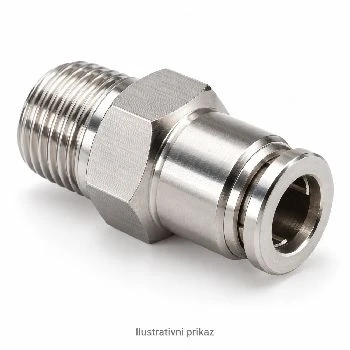
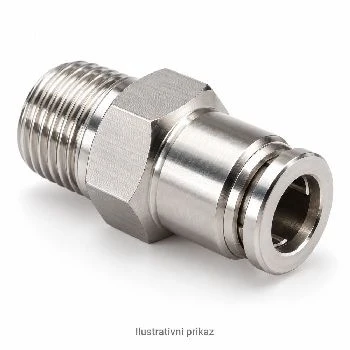
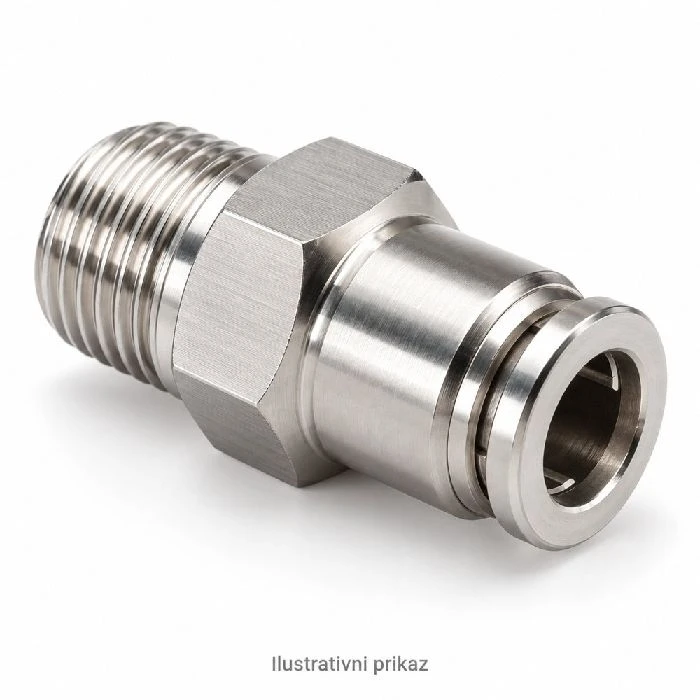
In the case of pneumatic connections, the air leaks most often due to the wrong dimension of the pipe, damaged end, inadequate thread or seal. Vibration, pipe tightening, excessive pressure and incorrect assembly must also be checked. By a clear transparent procedure you can determine the cause faster than by replacing several random parts.
Step by step procedure
- Put the machine in a safe condition. Stop the device before the operation, prevent unexpected start and safely release the stored pressure as required by the manufacturer.
- Find a leak site. Check the tube inlet, threading section and valve housing under the prescribed conditions and with appropriate dedicated reception or detector. Do not use open fire.
- Check the hose. Check external diameter, ovality, cracks and abrasions; remove the damaged end if necessary and cut perpendicularly.
- Check insertion depth. The hose shall reach the prescribed depth and lock reliably. If the pipe cannot be properly inserted, do not apply force.
- Check the thread and seal. Find out if it's G, R or NPT. Use dedicated seals, sealant or screw sealant only as instructed for concrete implementation.
- Remove mechanical loads. The hose should not hang under tension, rub against the sharp edge or pull the couplings during the movement of the machine.
- Repeat the controlled test. Perform the pressure and functional test within the prescribed range and record the result and date of service.
How to recognize leaks without hearing noises?
If the pressure on the insulated part falls, it is possible to leak in the pipe, valve, cylinder or connection. After closing the sections, compare pressure change under the same conditions. Note that the temperature also affects the pressure.
Mounting is not always the only culprit
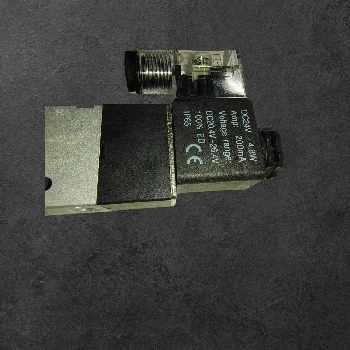
Air can pass through valve seal, membrane or worn cylinder. Therefore, the diagnostic must separate the mechanical leakage on the coupling from the internal leakage between the chambers or valves.
How does the loss of air affect the waste of products?
In the case of an ejection cylinder, a small pressure loss may change the response time and actual travel. The operator then increases the ejection delay to mask the mechanical failure. First eliminate the non-tightness and then remeasure the cycle time.
Most common errors
- Disconnect the hose before pressure is released.
- Wrong outer diameter or damaged end of pipe.
- Overdrive or false sealant.
- Tensile force and vibration along the coupling.
- Setting the program delay to conceal the pneumatic failure.
How He Can Help You Svet Črnil?
If the pneumatic system on your machine loses pressure or ejects unevenly, we can help with the Council of Black by selecting the correct connections, pipe components and reviewing the sensor and valve operation.
Expert resource: SMC — Fixings and Tubing Precautions. Always check the product specification and conditions of use.